

Financial roadshows often require a CFO, investor relations team, and investment banking representatives to visit three or four cities in as many days.
The schedule may include:
- Investor presentations
- One-on-one meetings
- Analyst briefings
- Internal preparation sessions
- Legal and compliance reviews
- Media or stakeholder appointments
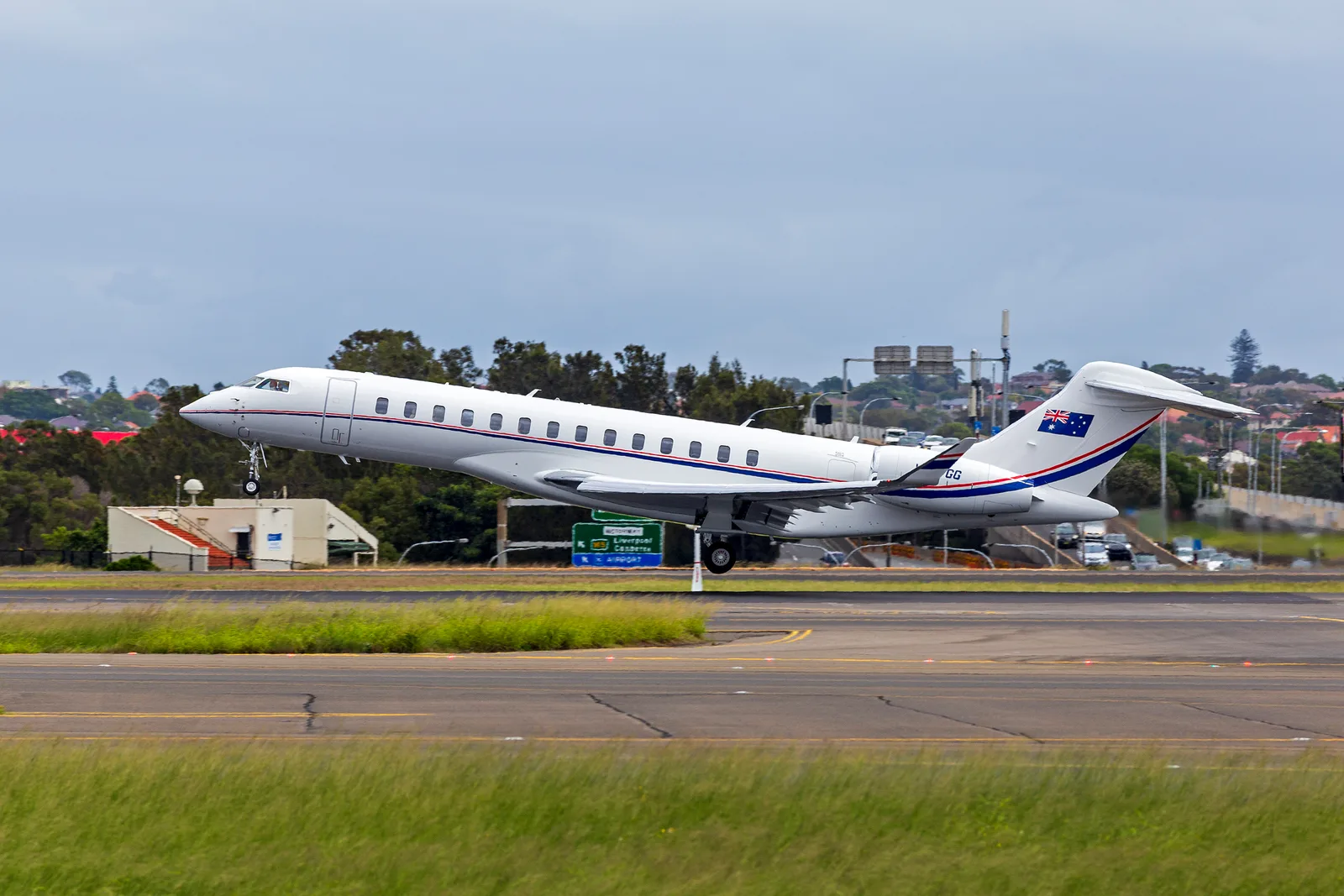
Commercial airline schedules can limit the available meeting windows. Business aircraft charter allows the travel plan to be built around the meeting plan, subject to aircraft availability, airport restrictions, weather, crew duty limits, and operator approval.
Private charter does not remove operational constraints. It provides an aviation option with more control over departure times, airports, routing, and passenger access.
1. Build the itinerary around the meetings
Roadshow planning starts with the meeting schedule.
The air-travel plan should identify:
- Departure location
- Meeting city and venue
- Required arrival time
- Estimated meeting duration
- Next departure window
- Passenger list
- Luggage and equipment
- Ground transportation requirements
- Preferred airports
- Alternate airports
The order of cities should account for geography, time zones, airport access, and meeting priority. A route that appears efficient on a map may not be practical if an airport has operating-hour restrictions, limited parking, unavailable slots, or extended ground-transfer times.
A private aircraft can often use airports that are not served by scheduled airlines. This may reduce the distance between the aircraft and the meeting location. The NBAA Business Aviation Fact Book identifies airport access and door-to-door time savings as core business aviation considerations.
Each leg should include a planned buffer. The buffer may account for:
- Meeting overruns
- Traffic
- Passenger movement
- Aircraft repositioning
- Weather changes
- Ground-service delays
- Airport procedures
A schedule remains subject to change after the aircraft, operator, airports, and crew have been confirmed.
2. Select the aircraft for the team and the route
Aircraft selection should be based on the complete mission rather than passenger count alone.
A small roadshow team may use a light or midsize jet for short regional legs. A larger team, longer route, or higher baggage load may require a super-midsize or heavy jet.
Relevant aircraft factors include:
- Passenger count
- Longest flight leg
- Baggage volume
- Cabin layout
- Worktable availability
- Connectivity requirements
- Runway requirements
- Airport compatibility
- Fuel-stop requirements
- Crew and payload limitations
HighGrade Charters generally groups aircraft into the following categories:
- Light jets: approximately four to six passengers for shorter routes
- Midsize jets: approximately six to eight passengers
- Super-midsize jets: approximately eight to ten passengers
- Heavy jets: approximately ten to sixteen passengers, including longer-range missions
- VIP airliners and turboprops: larger groups or regional access requirements
These ranges are planning references. Actual seating, usable cabin space, baggage capacity, range, and performance vary by aircraft configuration and operator.
For a CFO and two or three team members, the smallest available aircraft may not be the most practical option if the cabin must support document review, laptop use, or in-flight preparation. Conversely, a larger aircraft may create unnecessary cost if the route is short and the team has limited equipment.
The charter advisor evaluates the trade-off between cabin utility, range, airport access, and cost before presenting aircraft options.

3. Manage itinerary changes through a charter broker
Investor schedules can change after the aircraft has been selected.
A meeting may be:
- Moved to a different time
- Extended by an hour
- Added to the itinerary
- Replaced with a virtual meeting
- Relocated to another part of the city
- Removed because of a change in investor availability
A charter broker or aviation advisor coordinates the change request across the relevant parties. The process may include:
- Confirming the revised meeting time.
- Reviewing the effect on the next flight leg.
- Checking aircraft and crew availability.
- Reconfirming airport operating hours and slots.
- Reviewing fuel, range, and duty-time requirements.
- Adjusting ground transportation.
- Issuing a revised schedule to the roadshow team.
- Confirming the change with the actual operating company.
The broker does not control the aircraft, crew, airport, or weather. A requested change is not automatically available. It may require a different aircraft, alternate airport, additional ground time, or a revised sequence of cities.
A useful planning structure includes:
- Primary route
- Alternate airport for each city
- Secondary timing option
- Ground-transport backup
- Contact list for the roadshow lead, aviation advisor, operators, and drivers
This structure allows the team to evaluate changes without rebuilding the entire program from the beginning.
4. Treat confidentiality as a separate planning requirement
A private aircraft does not automatically create a secure communications environment.
Confidentiality planning should address:
- Passenger identity
- Aircraft and operator information
- Meeting locations
- Travel dates
- Printed documents
- Digital devices
- Onboard conversations
- Ground-transfer procedures
- Access to fixed-base operator facilities
Most financial roadshow air travel is arranged as a dedicated aircraft movement for one company or group. The U.S. Department of Transportation defines this structure as a single-entity charter when one company or entity charters the aircraft for its own use and does not sell individual seats.
Passenger manifests should be limited to the people who need access. Meeting details should be distributed through approved channels. Physical documents should remain under the control of the team member responsible for them. Devices and data-room access should follow the company’s information-security procedures.
For an IPO or other securities offering, legal and compliance teams control the content shared with investors. SEC Rule 433 defines a roadshow in the context of an offering and addresses roadshow communications. Travel providers coordinate movement and access; they do not determine whether information may be disclosed.
If executive protection is required, the aviation plan should identify:
- Secure pickup locations
- Driver protocols
- Vehicle type
- Protection personnel
- FBO access procedures
- Airport arrival and departure points
- Alternate transfer plans
HighGrade Charters can coordinate executive protection and related ground services through its aviation advisory process.
5. Use the cabin as a mobile work area
The aircraft cabin can support work between meetings when the aircraft configuration and connectivity meet the team’s requirements.
Typical in-flight activities include:
- Reviewing presentation materials
- Comparing investor feedback
- Updating financial models
- Preparing questions for the next meeting
- Conducting internal briefings
- Reviewing legal or compliance notes
- Confirming the next city’s schedule
The cabin should not be treated as a guaranteed office. Connectivity quality varies by aircraft, route, altitude, equipment, and service area. Sensitive calls may require additional controls. The team should confirm technology requirements before selecting an aircraft.
The NBAA business aviation research describes business aircraft as a productivity tool because they can support work during travel, access more airports, and reduce some door-to-door travel time compared with commercial alternatives.
The practical benefit is schedule continuity. The team can remain together after one meeting, use the flight time for preparation, and arrive at the next city with the same working group intact.

6. Coordinate the aircraft, FBO, vehicles, and venues
Air travel is one part of the roadshow schedule.
The complete movement plan should connect:
- Aircraft departure
- FBO arrival
- Passenger movement
- Vehicle dispatch
- Meeting venue arrival
- Return transfer
- Aircraft departure
- Next-city arrival
- Hotel or final destination
Ground transportation should receive the same itinerary used by the aviation team. Each city entry should include:
- Meeting address
- FBO or airport
- Vehicle type
- Passenger count
- Driver contact
- Pickup time
- Security instructions
- Parking or building-access notes
- Alternate route
- Next movement time
Airport selection may change the ground schedule by more than the flight itself. A smaller airport closer to the meeting location may reduce transfer time. A larger airport may provide more aircraft availability, but can increase terminal and road-transfer requirements.
HighGrade Charters coordinates private aviation with ground transportation, catering, concierge requirements, pet travel, and other trip logistics when requested. Details should be confirmed before departure and updated whenever the roadshow schedule changes.
7. Confirm the operator and safety framework
HighGrade Charters is a broker and aviation advisor. It does not operate aircraft.
The actual flight is performed by an FAA-certified charter operator selected for the mission. The operator is responsible for aircraft operation, crew, maintenance, weather decisions, and operational control.
U.S. on-demand charter operations are generally conducted under FAA Part 135 regulations. The rules address areas such as:
- Operator certification
- Crew qualification
- Training
- Maintenance
- Flight and duty limitations
- Operating procedures
- Aircraft equipment
- Recordkeeping
HighGrade Charters sources aircraft through a network of FAA-certified operators and considers safety credentials and operational suitability. The company also prioritizes operators recognized through organizations and programs associated with ARGUS, WYVERN, the Air Charter Safety Foundation, and the NBAA.
Safety designations, audit programs, and operator credentials should be reviewed for the specific aircraft and operating company. A general network description does not replace aircraft-level and operator-level verification.
8. Use a consolidated roadshow checklist
CFOs, IR teams, and investment banks can use the following checklist before requesting a business aircraft charter:
- List every meeting city.
- Rank meetings by priority.
- Confirm passenger names and roles.
- Identify luggage, presentation materials, and equipment.
- Set required arrival times.
- Select preferred and alternate airports.
- Review aircraft cabin and connectivity requirements.
- Request primary and backup aircraft options.
- Confirm operator and Part 135 status where applicable.
- Coordinate FBO and ground transportation details.
- Establish confidentiality and device procedures.
- Add schedule buffers.
- Define the process for last-minute changes.
- Reconfirm the itinerary before each departure.
This process separates fixed requirements from flexible preferences. It also provides the charter advisor with the information needed to source an appropriate aircraft.
Planning ranges and advisory role
All aircraft categories, routing concepts, timing estimates, airport selections, and schedule buffers are planning ranges. They are not guarantees.
Final availability and performance depend on the actual aircraft, operator, crew, weather, airport conditions, air traffic, regulatory requirements, and client-approved itinerary.
HighGrade Charters acts as a private aviation broker and advisor. The company arranges charter transportation through independent aircraft operators and does not operate aircraft or employ the crews that perform each flight. Contact HighGrade Charters for itinerary review and aircraft sourcing.
Sources
- U.S. Department of Transportation: Charter Flights
- Electronic Code of Federal Regulations: 14 CFR Part 135
- Electronic Code of Federal Regulations: Securities Act Rule 433
- FAA: Part 135 Air Carriers and Hazardous Materials
- NBAA: Explaining Why Your Company Relies on Business Aviation
- NBAA Business Aviation Fact Book